Developing a Comprehensive Mining and Agriculture Atlas: A Strategy for Optimal Water Resource Management in South Khorasan
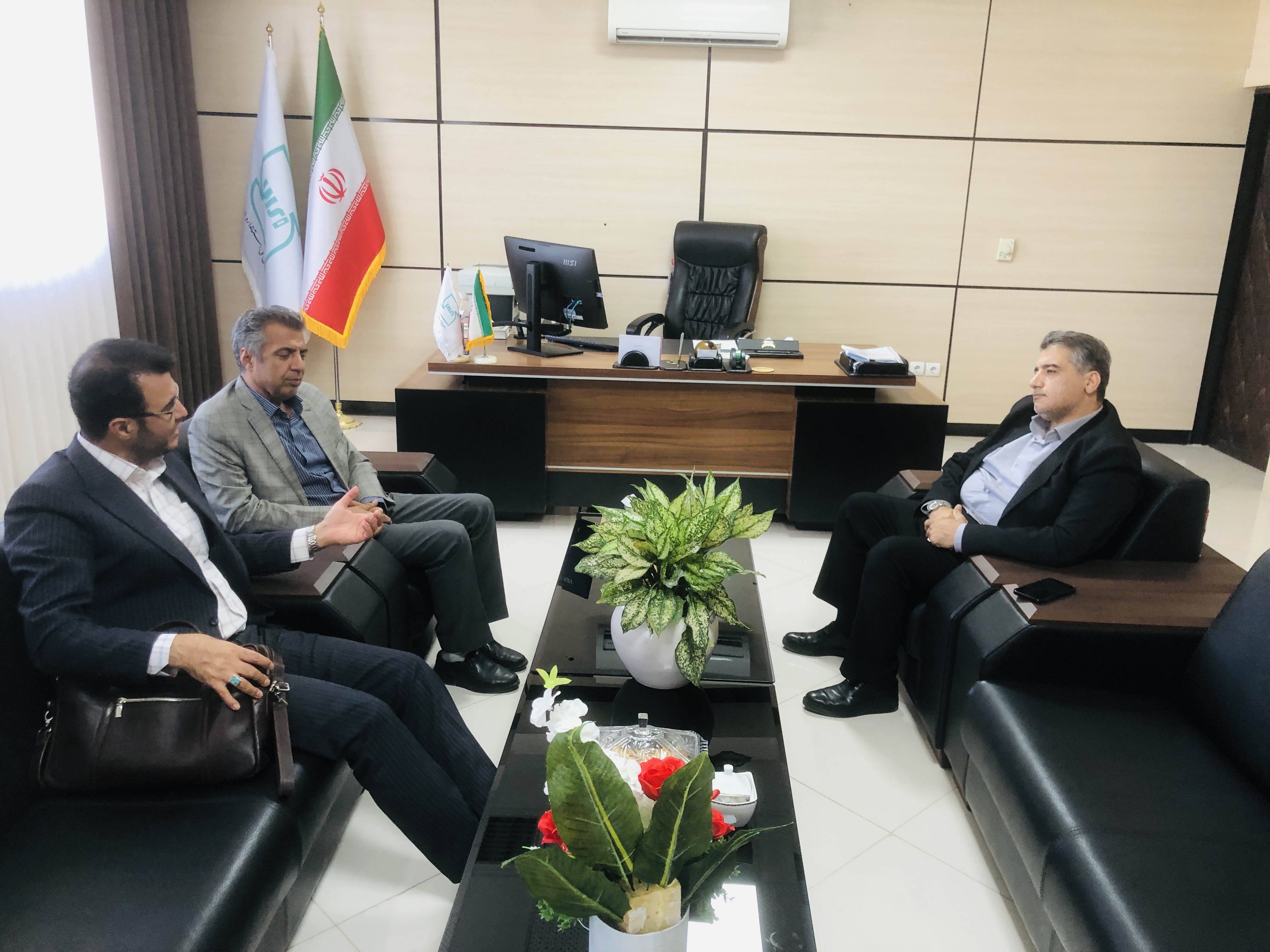
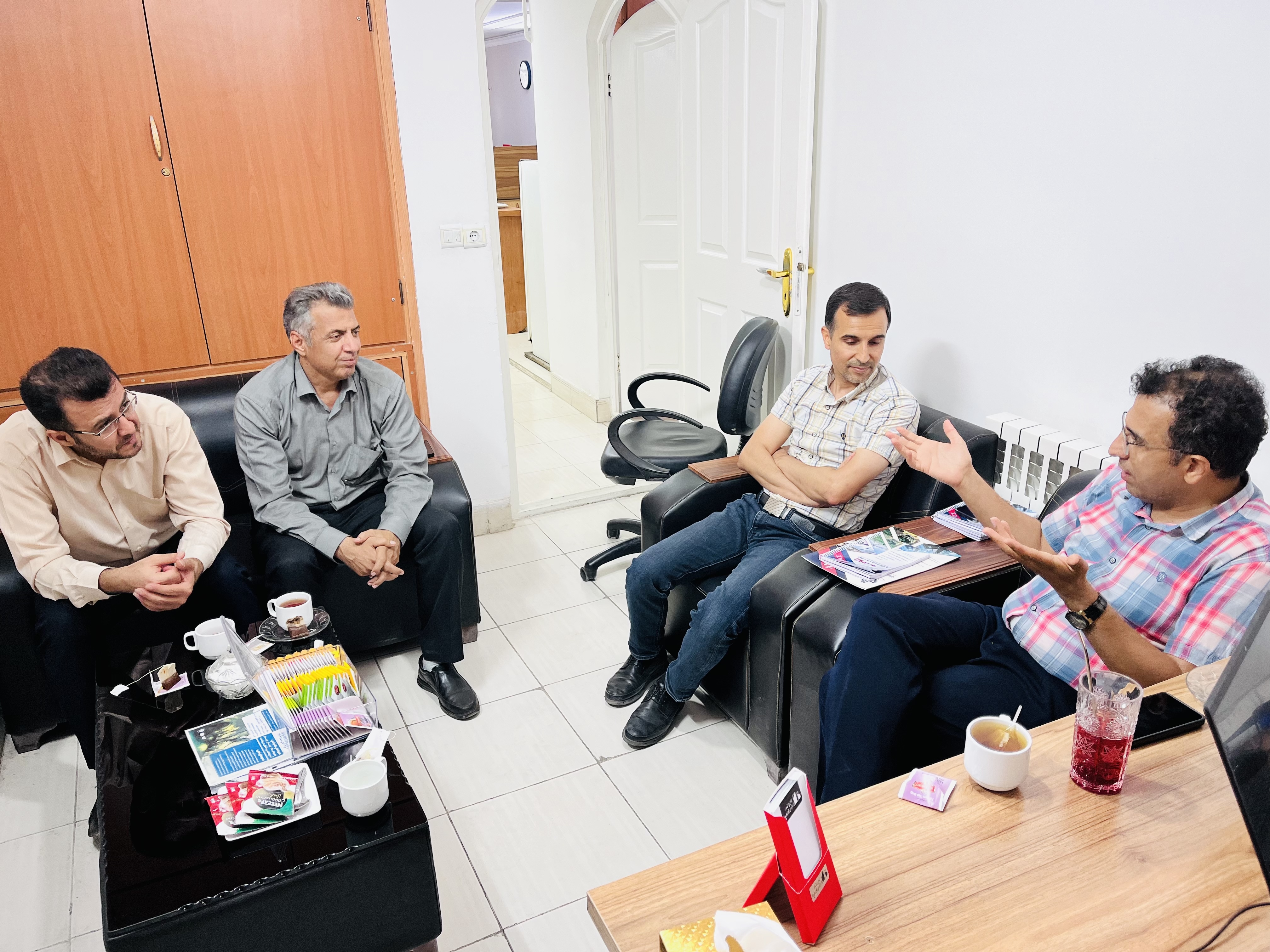
At a meeting of the Mining Commission of the Birjand Chamber of Commerce, Industries, Mines and Agriculture, held in cooperation with the Specialized Desk for Water, Energy and the Environment, Dr. Akbarpour highlighted South Khorasan’s limited water resources. He emphasized the need to develop a comprehensive atlas of mining and agricultural activities, improve water consumption practices, and foster cooperation between the two sectors.
Discussing the province’s climate, he stated that South Khorasan, with average annual precipitation of approximately 114 millimeters, is classified as an arid and semi-arid region. By comparison, average annual precipitation is reported to be approximately 230 millimeters in Iran and 821 millimeters worldwide. Declining rainfall and falling groundwater levels across many of the province’s plains have further reinforced the need for careful planning to conserve water resources.
Dr. Akbarpour noted that agriculture accounts for a substantial share of the country’s water consumption. According to figures presented at the meeting, approximately 89 percent of Iran’s water consumption occurs in the agricultural sector. He therefore stressed that, alongside assessing the water requirements and economic value added of mineral industries, particular attention must be paid to improving agricultural water-use practices.
He described the meeting’s main objective as identifying solutions to conserve groundwater resources while sustaining economic activity in agriculture and mining. He added that decisions must be based on accurate information, reliable statistics, and expert assessments to protect water resources while enabling both sectors to continue operating and developing sustainably.
Highlighting the province’s potential for greenhouse cultivation, he emphasized the need for careful assessment of plans to expand this sector. Agricultural development, he said, must reflect local conditions, including water quality, climate, and environmental factors. Selecting suitable locations for agricultural activities and appropriate crops therefore requires specialized studies and regional planning.
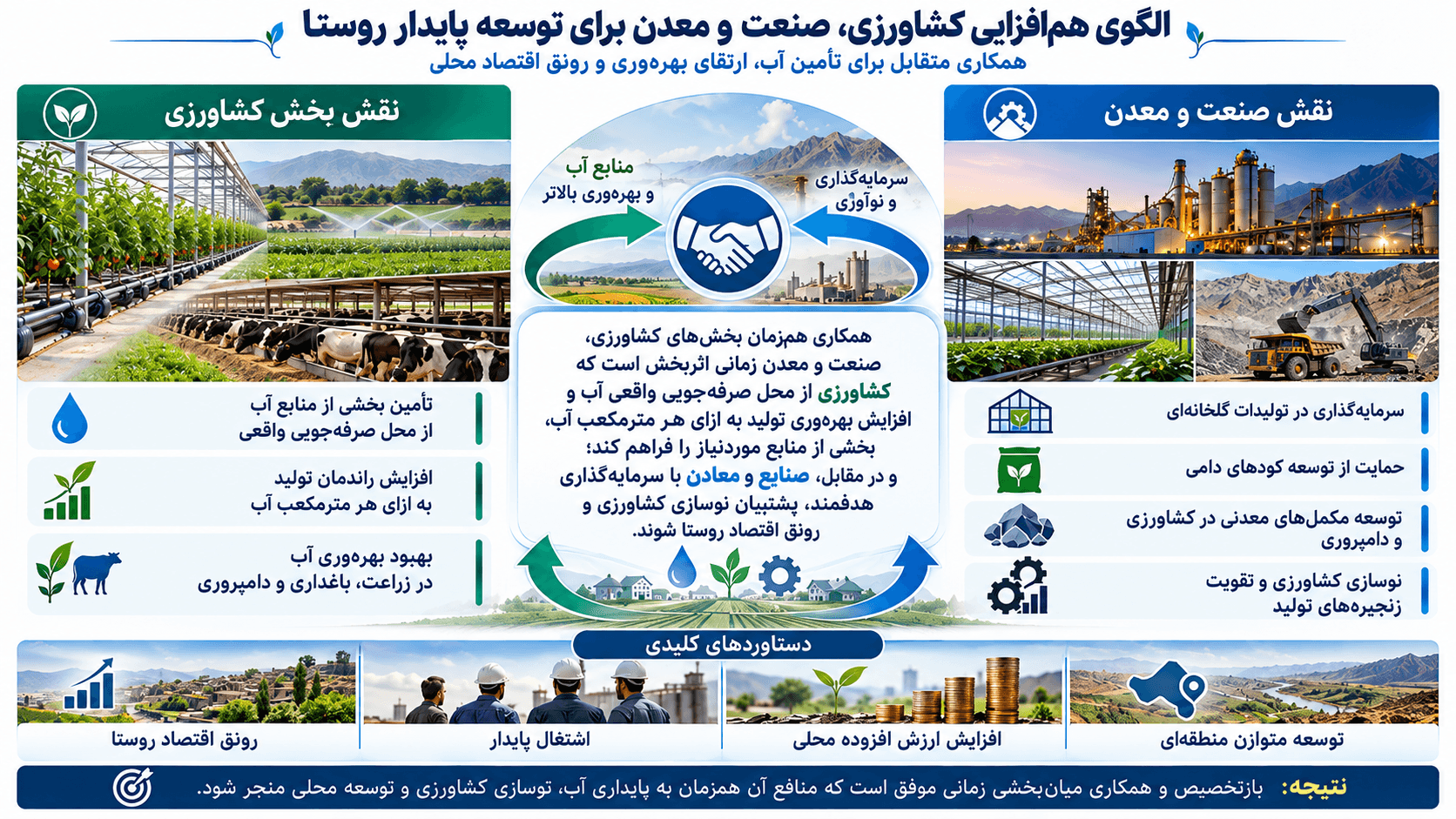
Dr. Akbarpour identified the development of a comprehensive atlas of mining and agricultural activities as a key proposal for managing the province’s water resources. He explained that mapping mining and agricultural potential and assessing it against water availability and the needs of each plain would support more informed decisions on resource allocation, the location of economic activities, and industrial development.
He also emphasized the importance of strengthening cooperation between mining and agriculture. Targeted investment by the mining sector in agricultural and agro-industrial projects, where supported by economic feasibility and sound planning, could help improve rural infrastructure, stimulate local economies, and build stronger links between productive activities.
Stressing the need for participation and shared responsibility across all sectors in water resource management, he called on agricultural stakeholders to present specific plans to improve water consumption practices and increase water-use efficiency. He stated that achieving a sustainable solution requires both the mining and agricultural sectors to present their needs, capacities, and plans transparently and with supporting documentation.
Dr. Akbarpour concluded by emphasizing the importance of expert analysis of the data and the development of practical solutions. With the participation of representatives from the various sectors, these efforts could establish a clear path toward conserving water resources and achieving balanced development of mining and agricultural activities in South Khorasan.
4:58 PM